Sponsored article
Dungeons and Dragons offers players the chance to immerse themselves in epic fantasy adventures, and crafting a custom character miniature adds a personal touch to these stories. Designing a unique miniature allows you to express your character’s unique traits and style, making your gaming sessions even more engaging. Whether you are a seasoned artist or a beginner, this guide will help you navigate the process of creating a truly personalized piece, from selecting materials to mastering painting techniques.
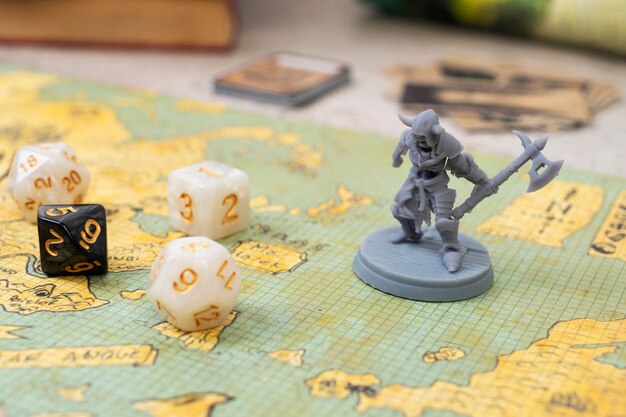
When selecting the ideal materials for your custom miniature, especially for your DnD miniatures, the choice between resin, plastic, and metal can significantly impact the final product’s appearance and function. Resin is often the preferred material for custom miniatures due to its ability to capture intricate details, offering a high-resolution output that brings your character’s complexities to life. However, while resin provides superior detail, it can be more brittle than other options. On the other hand, plastic is a cost-effective material choice that balances detail and durability, making it suitable for gamers on a budget who need rugged miniatures for frequent handling. Metal miniatures, although more traditional, are celebrated for their durability and weight, offering a classic feel but can be pricier and harder to modify. Consider your campaign needs and personal preferences—whether cost, detail, or durability is the priority—when choosing materials. Explore a range of options at the https://www.theprintinggoeseveron.com/product-category/dnd-miniatures/“>Dungeons & Dragons miniatures section to find what best suits your game.
When you embark on the journey to personalize your custom miniature for your DnD campaign, delving into your character’s unique details can truly bring them to life on the tabletop. Start by considering the facial features that best capture your character’s essence — a scarred cheek might tell tales of past battles, while an intricate tattoo could signify tribal heritage. The clothing selection is equally pivotal; opt for attire that suits your character’s background, be it the rugged leather armor of a seasoned ranger or the silken robes of an enigmatic mage. Moreover, tailor the equipment and accessories to resonate with their adventures: a meticulously crafted sword for a noble knight or a collection of potions for a cunning alchemist. By focusing on these intricate character details, you’re not merely crafting a custom miniature; you’re sculpting a vivid representation of the persona that defines your campaign’s narrative, ensuring an immersive experience that both you and your fellow adventurers will cherish.
When it comes to painting techniques for your DnD miniatures, mastering the art of color schemes, shading, and highlights can truly bring your custom character to life. To begin, selecting a cohesive color scheme is essential; it allows your miniature’s personality and narrative to shine through. When choosing colors, consider the character’s backstory and the world they inhabit. For a seasoned warrior, earthy browns and steely greys might work, while a sorcerer could benefit from mystical purples and blues. Once your color scheme is set, delve into shading by applying a wash to the recesses of the miniature. This technique enhances the depth and defines intricate details, making the miniature appear more realistic. Complement your shading efforts with highlights; carefully brush lighter tones on the edges and raised surfaces to mimic the way light naturally catches on objects. These painting techniques not only enhance visual appeal but also ensure your DnD miniatures command attention on the tabletop.